
SENATE HEARING: IMCC SAYS GUINEAN AUTHORITIES IGNORING $1.8 BILLION HPX/IVANHOE ORE DEAL
- Talafah T. Tabolo
- Dec 18, 2025
- 2 min read
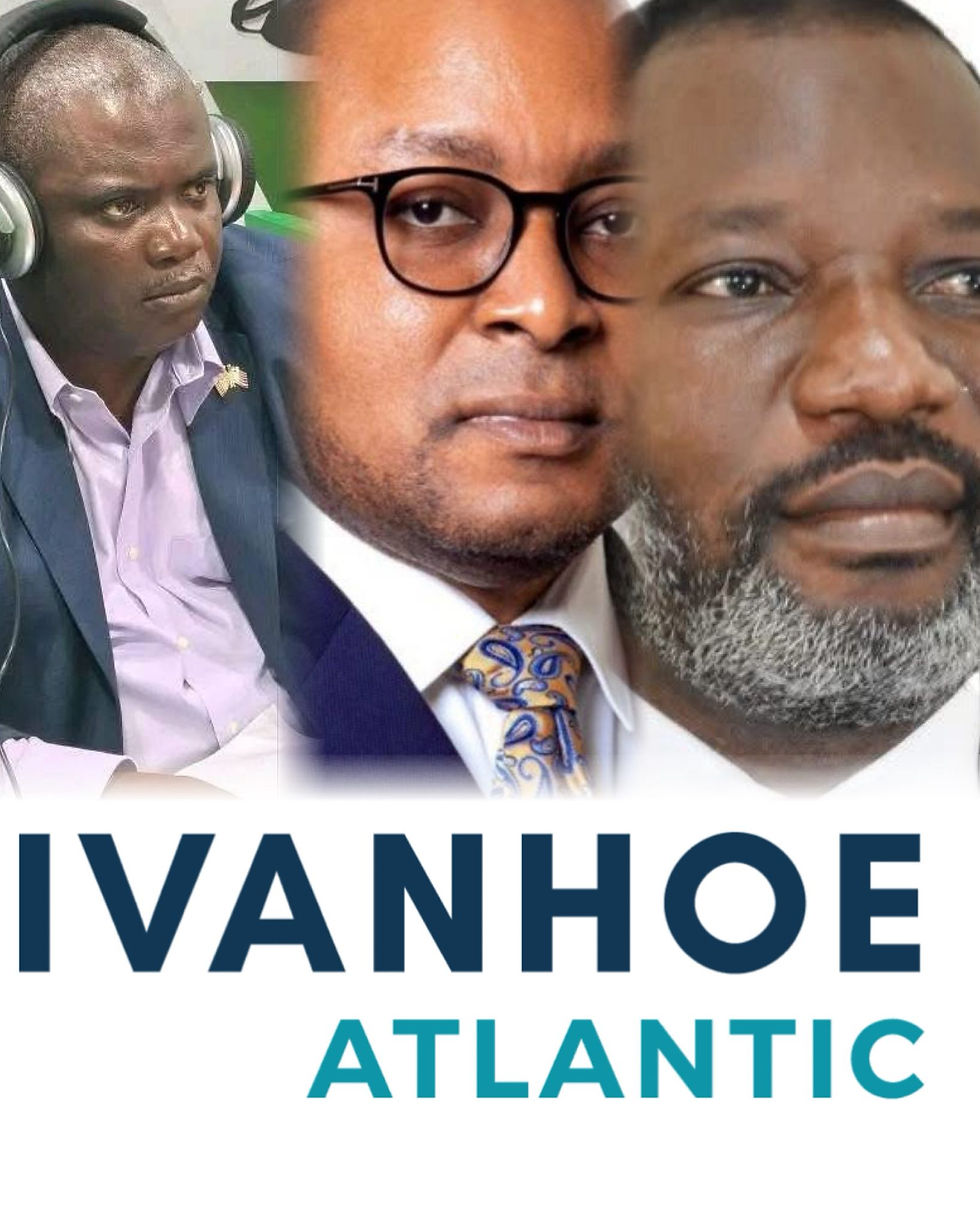
MONROVIA – Liberian officials conceded during a Senate hearing on December 15, 2025, that the Guinean Embassy in Monrovia has on multiple occasions ignored official inquiries over the HPX/Ivanhoe Atlantic proposed US$1.8 billion iron ore transit deal, casting doubt on the agreement’s immediate viability.
National Investment Commission (NIC) Executive Director Melvin Sheriff interjected during a query Senator Saah Joseph directed at Minister Sirleaf Tyler, confirming that confirmed that the Inter‑Ministerial Concessions Committee (IMCC) through NIC has made repeated attempts to engage Conakry on the HPX/Ivanhoe Atlantic bilateral agreement, only to be met with silence.
The disclosure leaves the Boakai administration in the precarious position of seeking the Senate’s concurrence on a 25‑year Concession and Access Agreement that the lower house ratified without strong scrutiny, while basic bilateral engagement remains in limbo.
The current legal framework rests on a 2019/2021 Implementation Agreement signed by former Liberian President George Weah and deposed Guinean leader Alpha Condé. However, the mechanisms required to operationalize that treaty — notably a Joint Monitoring Committee to approve ore movements — have remained dormant since the September 2021 coup in Guinea. General Mamady Doumbouya’s military junta has since pivoted Guinea’s economic strategy inward under the “Simandou 2040” mandate.
While Liberian regulators await a response on the HPX/Ivanhoe Atlantic terms, Doumbouya on November 11, 2025, inaugurated the US$20 billion Trans‑Guinean Railway, a roughly 650 km “Iron Silk Road” designed to route mineral exports exclusively through Guinean territory.
Guinea’s apparent lack of regard for a partnership with Liberia was evident at the inauguration, where high‑level delegations from neighbouring countries such as Sierra Leone and Ivory Coast received prominent invitations, while Liberia was represented only by lower‑level staff from its embassy in Conakry.
As things stand, even if the Liberian Senate concurs with the agreement, commercial operations cannot legally commence without export permits from the Guinean government. Doumbouya has previously blocked exports by miners deemed non‑compliant with the junta’s resource‑nationalist agenda.
Sheriff’s admission suggests that by advancing a standalone commercial deal without securing the necessary bilateral cooperation, the Liberian government risks building a bridge to nowhere.
_____________________________
Get Involved
Do you have additional facts to add to this insight or an opinion you would like to express?
Email Us


Comments